Why a Thorough Carpet Mold Inspection Matters for Your Home
If you have ever walked into a room and caught that damp, musty smell that seems to cling to everything, you know the feeling of wondering what is hiding underfoot. Carpets are one of the first places moisture settles, and once it does, the trouble begins. I have seen it happen in finished basements, in rental units after a tenant moves out, and in living rooms where a houseplant was overwatered for years. The problem is that mold does not always show itself right away. That is why a serious carpet mold inspection is not just a checkbox for homeowners. It is the difference between catching a small issue and dealing with structural damage that affects your health and your wallet.
What Happens When Moisture Meets Carpet
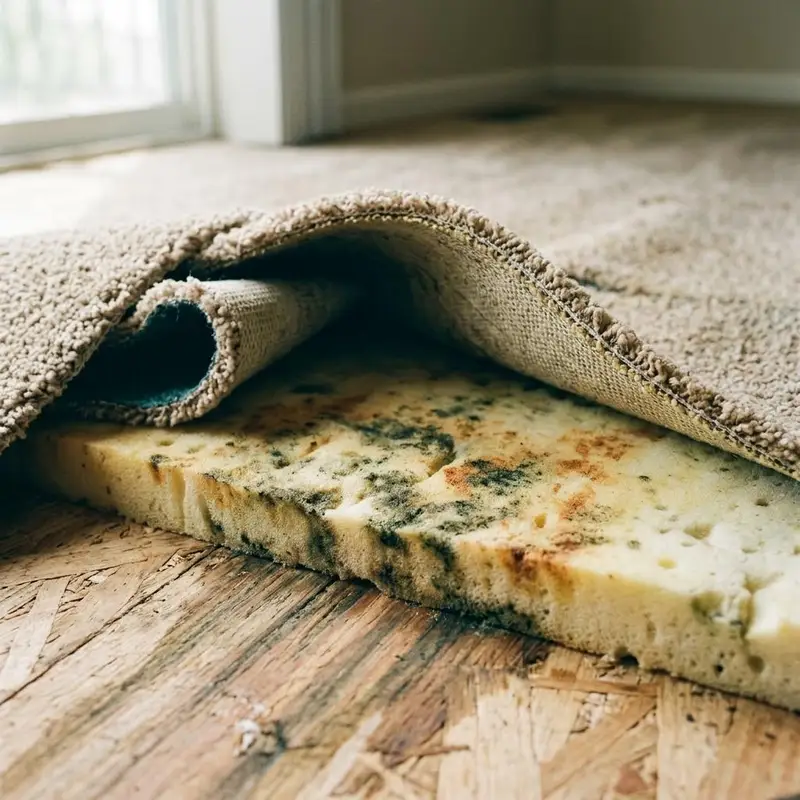
Carpet backing, padding, and the fibers themselves act like sponges. When there is a spill, a basement flood, or even high humidity that lingers for days, the moisture seeps deep into the layers. Underneath, the conditions are perfect for fungal growth. Mold spores are everywhere in the air, but they need food and water to grow. Carpet provides the food in the form of dust, skin cells, and organic debris trapped in the fibers. Add water, and you have a colony starting within 24 to 48 hours.
What makes this especially tricky is that mold often grows on the underside of the carpet or inside the padding before you ever see it on the surface. By the time you notice discoloration or a visible patch of black mold, the colony has been spreading for weeks. That is why professional assessment matters. A proper carpet mold inspection looks beyond what your eyes can see. It uses moisture meters, borescopes, and sometimes even infrared cameras to find the damp spots that are not obvious from the surface.
I once worked with a family who had a brand new carpet installed in their basement. It looked perfect for months, but they kept smelling something off. A standard home inspection had missed it. When we did a targeted carpet mold inspection, we found a slow leak from a nearby pipe that had been seeping into the padding for weeks. The top of the carpet was dry to the touch. The damage underneath was already extensive. That is the kind of thing that inspection services catch before it turns into a full-blown remediation project.
Health Risks You Cannot Afford to Ignore
Mold is not just an aesthetic problem. For people with respiratory conditions, it is a serious trigger. Black mold and other common indoor molds produce allergens and irritants that can cause coughing, sneezing, and skin rashes. For someone with asthma, exposure to mold spores can trigger attacks. Children, elderly people, and anyone with a compromised immune system are especially vulnerable. The EPA guidelines on indoor air quality stress that mold should be addressed promptly, not just for comfort but for health.
I have seen cases where a family blamed "allergies" for months, only to discover that the real culprit was hidden mold in the carpet. Once the mold was removed and the source of moisture was fixed, the symptoms disappeared. That is the kind of outcome that makes a thorough inspection worth every bit of effort. Mold remediation is not something you want to delay once you know it is there.
Indoor air quality takes a direct hit when mold is present. Spores become airborne and circulate through your HVAC system. That means the mold in a corner bedroom can end up floating through the whole house. An air purifier with a HEPA filter can help, but it is not a cure. The only real solution is finding the source and removing it. That starts with knowing where to look.
Where to Look for Hidden Mold
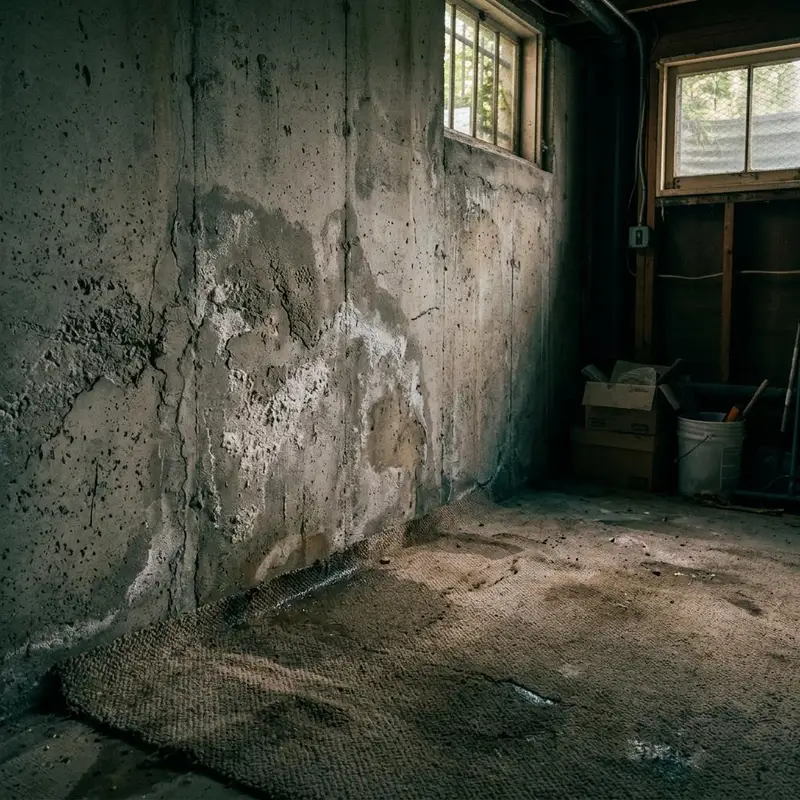
Some areas of a home are more prone to moisture damage than others. Basements are the obvious candidate, especially after basement flooding. But I have also found mold in carpet under heavy furniture that never gets moved, near exterior doors where rain seeps in, and around the base of walls where leaky pipes or a broken seal have let water intrusion go unnoticed for years. Humidity control is a big factor here. If your home stays above 60 percent relative humidity for long stretches, you are creating a climate where mold can thrive even without a visible water event.
A good carpet inspection covers these high-risk zones. The inspector will look at the carpet near windows, along baseboards, and in closets where airflow is limited. They will check the padding and the subfloor if needed. They may also take samples to identify the type of mold present. That matters because not all mold is the same. Some types are more aggressive and require specific disinfectant treatments. Others are merely surface-level and can be cleaned with the right carpet cleaning approach. A professional assessment tells you which situation you are dealing with.
The Role of Prevention and Maintenance
Once you have had a carpet mold inspection and addressed any issues, the next step is keeping mold from coming back. That is where routine habits come in. A dehumidifier in a damp basement can make a huge difference. So can running the exhaust fan in bathrooms and making sure your HVAC system is properly maintained. Air purifiers in high-traffic rooms help capture spores before they settle. But none of these replace the need for periodic checks.
I recommend that homeowners schedule a professional inspection at least once a year, especially if they live in an area with high humidity or have had water issues in the past. It is a small investment compared to the cost of replacing an entire carpet and subfloor, not to mention the medical bills that can come from prolonged exposure to mold. Mold remediation is expensive, but it is far cheaper than ignoring the problem until it forces you to move out.
What to Expect During a Professional Assessment
A thorough carpet mold inspection is not a quick walkthrough. It usually takes an hour or more depending on the size of the home. The inspector will ask about your history with water leaks, floods, or spills. They will examine the carpet in each room, paying special attention to the edges and corners. They will use tools to measure moisture levels in the carpet and padding. If they find a suspicious area, they may lift a corner of the carpet to look underneath.
In some cases, the inspector will recommend lab testing of a sample. This is especially important if you suspect black mold or if someone in the home has been experiencing asthma triggers that you cannot explain. The lab results can tell you exactly what species of mold you are dealing with and how aggressive it is. That information guides the mold remediation plan. Sometimes a simple cleaning with a disinfectant is enough. Other times, the carpet and padding need to be removed entirely.
When to Call in the Experts
There are times when a do-it-yourself approach works. If you catch a spill quickly and dry the carpet thoroughly, you can often prevent mold from taking hold. But once mold has established itself, especially in the padding or subfloor, it is best to call professionals. They have the equipment and experience to handle the job safely. Trying to scrub mold yourself can actually make things worse by releasing spores into the air.
I have seen homeowners use bleach on moldy carpet, thinking they are solving the problem. Bleach can kill surface mold, but it does not penetrate the padding. It also does nothing to address the moisture source. The mold will return. A professional assessment and remediation plan will address both the mold and the conditions that allowed it to grow. That is the only way to get lasting results.
If you are buying a home, a standard home inspection may not be enough. Ask specifically for a carpet mold inspection as part of the process. It is a small add-on that can save you thousands of dollars and a lot of frustration down the road. Sellers are not always aware of hidden moisture problems, and even a clean-looking carpet can hide a mess underneath.
Final Thoughts on Staying Ahead of Mold
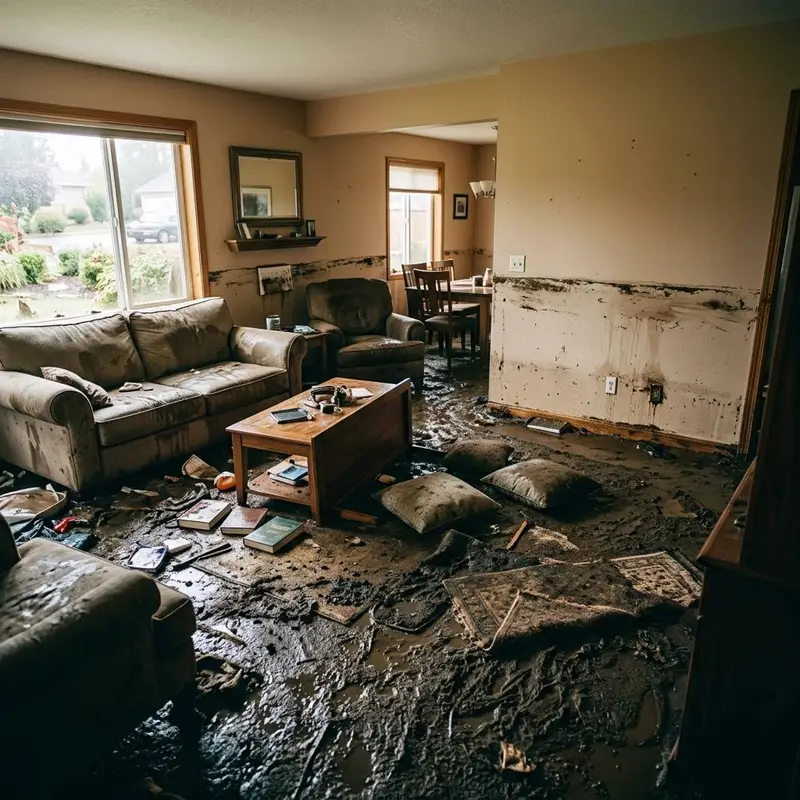
Mold in carpet is one of those problems that does not get better with time. It only spreads. The longer you wait, the more expensive and invasive the fix becomes. A regular carpet mold inspection is the best tool you have for catching problems early. It gives you a clear picture of what is happening in your home and helps you make smart decisions about mold remediation, humidity control, and maintenance.
I have seen too many homeowners ignore the signs until the mold is visible and the smell is overwhelming. By then, the carpet is usually a loss, and the subfloor may need work too. A simple inspection could have caught it months earlier. Do not let a small leak or a damp basement turn into a major project. If you suspect moisture damage in your carpet, call someone who knows what to look for. Your lungs and your home will thank you.